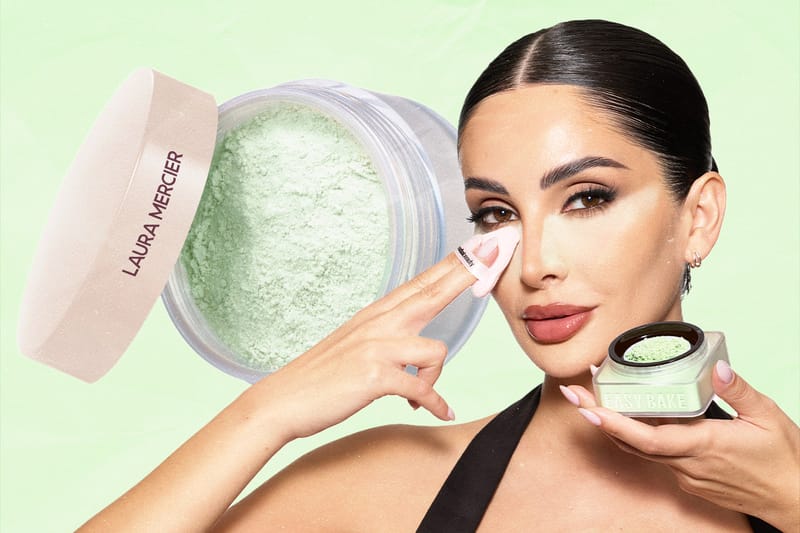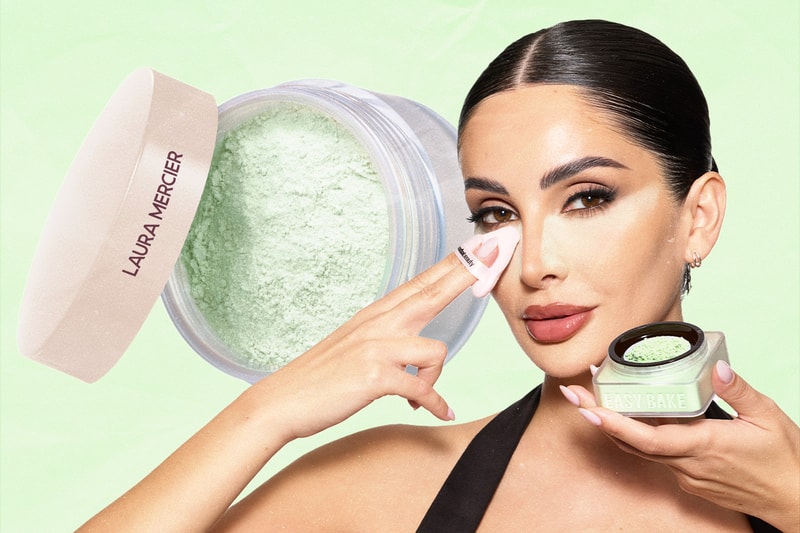
The Green Revolution: Setting Powders Make an Unexpected Statement
Setting powders have long been a backstage essential for makeup artists and beauty enthusiasts alike. But when legacy brands breathe new life into iconic products with daring hues, the entire industry—and its digital audience—takes notice. This season, Huda Beauty and Laura Mercier have made headlines by unveiling their beloved loose setting powders in a bold, unexpected green. The result? A viral wave of curiosity, skepticism, and spirited debate on TikTok and beyond. The question dominating the discourse: Who actually needs a green setting powder?
The Science of Color Correction
At first glance, the idea of dusting green powder onto your face may seem counterintuitive. Yet, the theory behind it is rooted in color science. Green sits opposite red on the color wheel, making it uniquely equipped to neutralize redness in the skin. “Those managing rosacea, acne, or persistent redness often turn to green-tinted products for balance,” shares Shanzey Al-Amin, sales and education manager at Sephora Collection. When applied with a light hand, green powders don’t leave a visible green cast. Instead, they veil redness and even out the complexion, allowing one’s natural radiance to take center stage.
Redefining Beauty Ideals
While the concept of color correction is far from new—the technique has been a quiet mainstay in professional kits for decades—the current resurgence signals a deeper shift in beauty philosophy. According to Al-Amin, “We’re seeing a move away from heavy, all-over coverage and toward strategic, targeted correction. Green setting powders exemplify this skin-focused approach—neutralizing redness without masking the skin’s inherent beauty.” As ‘second skin’ makeup and minimalist routines dominate the conversation online, the timing of these launches feels particularly prescient.
Universality: Promise or Pitfall?
The green powder phenomenon has sparked necessary conversations about inclusivity and accessibility. Some critics point out that many color-correcting formulas are most effective on fair to medium skin tones, leaving deeper complexions underserved. Celebrity makeup artist Kasey Spickard weighs in: “Many color-correcting products are marketed as universal, but often only work optimally on certain undertones, which can be limiting.” While the quest for true universality continues, the intention behind green powders remains clear: to offer a solution for those seeking to neutralize visible redness.
Corrective Tools, Not Cosmetic Trends
It’s crucial to distinguish green powders from their pink counterparts, which have recently surged in popularity on TikTok. “People are applying green powders as they would pink, but their functions are fundamentally different,” Spickard notes. “Green powders are not meant to brighten or highlight—they’re targeted, corrective tools for specific complexion concerns.” Understanding this distinction is key to harnessing the product’s full potential and avoiding common missteps.
Purposeful Beauty: Embracing Nuance and Intention
For those disillusioned by the realization that not every launch serves every complexion, makeup educator Rose Siard offers a refreshing perspective. “I understand the disappointment when a product doesn’t address everyone’s needs, but each formula is crafted with a specific purpose in mind,” she explains. Acknowledging the unique intent behind each product empowers consumers to make more informed, intentional choices in their beauty routines.
The Future of Complexion: Precision and Personalization
The arrival of green setting powders signifies more than a fleeting trend—it marks a new chapter in the evolution of complexion products, one defined by precision, personalization, and a celebration of individuality. Rather than concealing, these innovations invite us to refine and enhance our natural features with care and confidence. In an era where authenticity reigns, this subtle shift is nothing short of transformative.