A Transformative Year
In 2000, two pivotal events left a lasting mark on my twelve-year-old mind: the opening of the Tate Modern and my family’s subscription to Sky, which included MTV. Although I can’t pinpoint the exact artwork that first drew me into the realm of video art at the Tate, I recall being captivated by Bruce Nauman’s Clown Torture series. Specifically, the video *No, No, New Museum* (1981) featured a performer in a mall-Santa elf costume throwing a disturbing tantrum. This piece perfectly encapsulated my initial intrigue with video art, showcasing themes of subversion, neurosis, and a twisted blend of childlike innocence with adult darkness.
Unconventional Upbringing
In the 2016 documentary *The Art Life*, the late David Lynch reflects on how his mother forbade him from having coloring books, understanding that her artistic son shouldn’t be confined to conventional boundaries. My own parents, without formal artistic backgrounds, took a different yet equally unconventional approach. They encouraged my interest in art, allowing my impressionable young mind to absorb a myriad of cultural influences, even those I might not fully comprehend. This open-mindedness ultimately proved beneficial, nurturing my development as a writer and artist.
Late-Night Discoveries
What did I encounter on MTV during those late-night hours? Far scarier experiences than a petulant elf. In 1999, the electronic artist Aphex Twin, also known as Richard James, released *Windowlicker*. The Chris Cunningham-directed music video cleverly mirrored the unsettling sound of the track. It featured curvaceous women dancing on a beach, their faces grotesquely replaced by either a direct imitation of James’s face or a nightmarish distortion of it. The result was a disorienting bait-and-switch that left viewers feeling unmoored.
Hypnotic Visuals
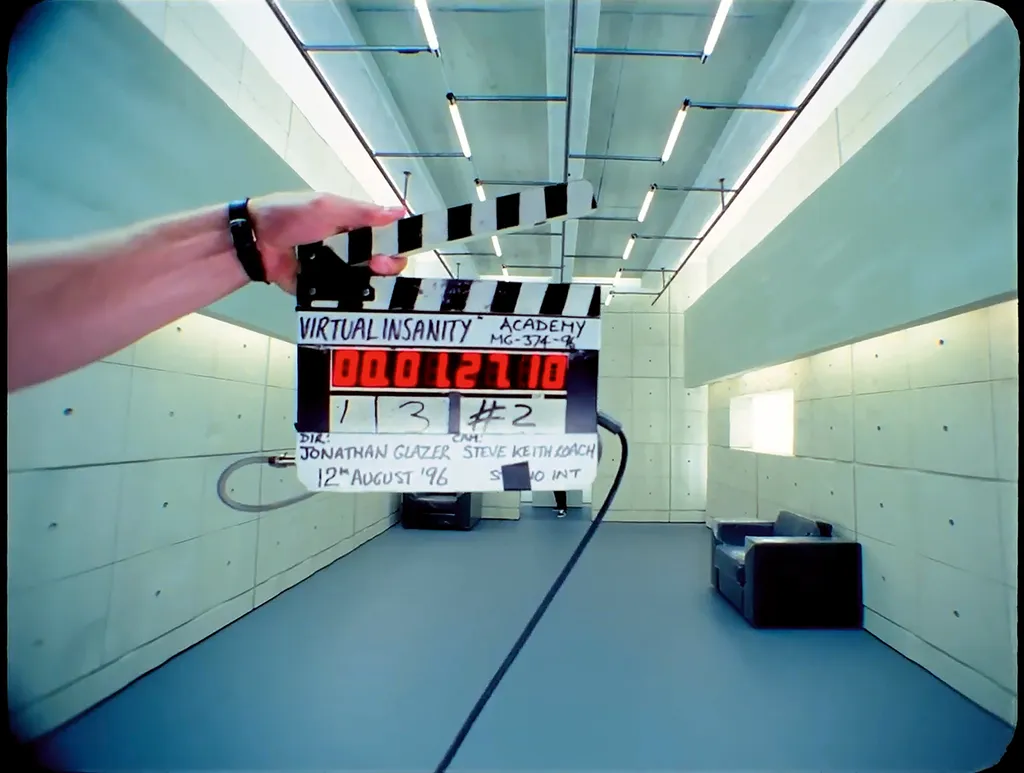
A year earlier, Jonathan Glazer’s video for Unkle’s *Rabbit in Your Headlights* had a similarly hypnotic effect on me. It depicted a staggering man repeatedly struck by cars on a busy motorway, with each collision leaving its mark. I vividly remember stumbling across the Jonas Åkerlund video for The Prodigy’s 1997 single, *Smack My Bitch Up*. This first-person nightlife odyssey felt like a video game, featuring its protagonist engaging in violence, sex, and substance use, only to culminate in a shocking twist: the protagonist was revealed to be a small, doll-like blonde when viewed in a mirror.
The Allure of Disturbance
These were the kinds of clips I was drawn to, much like pressing on a bruise. I was captivated, exhilarated by the discomfort, and proud of my resilience—even if I sometimes wished to look away. In hindsight, I recognize that these videos foreshadowed my adult artistic sensibilities. *Windowlicker* blended body horror with sexual explicitness; *Smack My Bitch Up* presented an audacious form of revisionist feminism; and *Rabbit in Your Headlights* juxtaposed violence with profound spiritual beauty. These experiences would shape my understanding of art and culture in ways I was just beginning to explore.
Source inspired by international fashion publications. Adapted & edited for Maverick.
We respect copyrights. Articles on this site are submitted and written by external contributors. If you believe any content infringes your rights, please contact our team at Info@maverick-magazine.co.il.
ref:40eaf6f5-6f15-4bda-bd2d-12a3272aecf6