The Era of Curated Chaos
When Disorder Becomes Desire
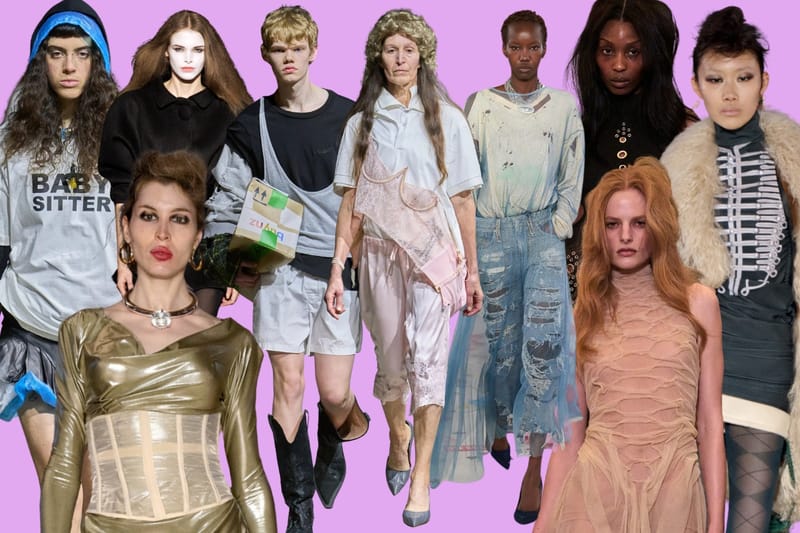
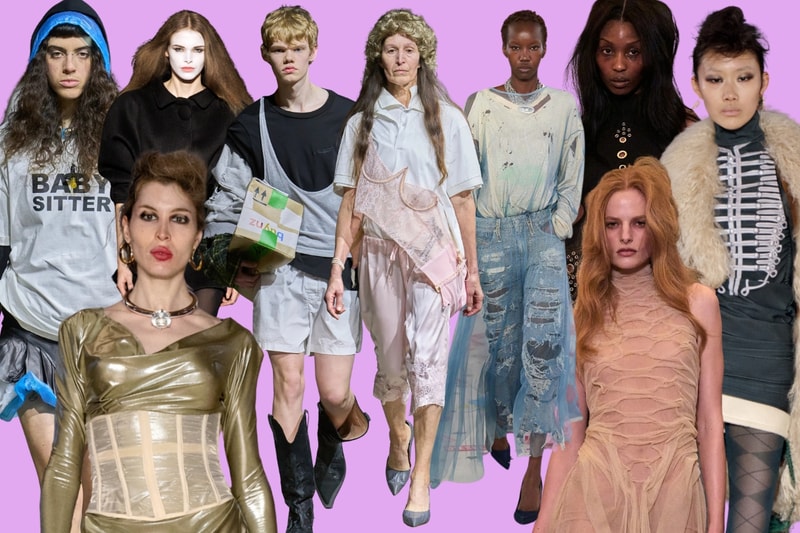
This Fall/Winter 2026, runways pulsed with an unmistakable energy—one defined by deliberate disorder and a studied embrace of disarray. Mismatched ensembles, idiosyncratic tailoring, and hair styled to appear delightfully unkempt dominated the world’s fashion capitals. This aesthetic—teetering between genuine imperfection and high-concept performance—signals the rise of the “messy girl” archetype. Artfully stained shirts, smudged eyes evoking a decadent morning-after, and references to chaos have ascended to the luxury echelon. Whether this inclination reflects a reaction to digital acceleration, societal unrest, or simply fashion’s cyclical nature, one thing is certain: the “hot mess” has become fashion’s newest muse. Yet as luxury houses choreograph chaos, the boundary between authentic imperfection and its meticulously staged counterpart blurs ever further.
A Rebellion Against Perfection
From Pristine Minimalism to Intentional Irregularity
After seasons dominated by hyper-refined minimalism and the muted elegance of the “clean girl” era, this unruly spirit feels almost inevitable—a pendulum swing away from the immaculate. The polish of flawless presentation now feels curiously out of step with a world in flux. In its place, designers are exalting imperfection: exuberantly, defiantly, and with a collective sigh of relief. This is not sloppiness, but rather a celebration of the beautifully undone.
Imperfect Beauty Reimagined
The Enduring Legacy of Deconstruction
Fashion’s fascination with irregularity is hardly new. The language of deconstruction has long shaped its most radical chapters, from Margiela’s poetic disorder to Rei Kawakubo’s sculptural asymmetry. The Japanese wabi-sabi philosophy—revering the imperfect and ephemeral—continues to echo through contemporary design. Vivienne Westwood’s punk disruptions and the Olsen twins’ quietly off-kilter silhouettes both remind us: where convention prevails, rebellion inevitably follows.
Disorder as Runway Spectacle
Embodying Disruption on Stage
This season’s runways teemed with evidence of calculated disruption. In London, Natasha Zinko conjured domestic bedlam: frazzled babysitters, fragile grandparents, accessories made from takeaway bags, and parcels straight from eBay. Sinead Gorey distilled the riotous spirit of British nightlife, transforming cheap lager and nocturnal vices into high-glamour spectacle—complete with slept-in makeup and purposefully wild hair. Across all four fashion capitals, the “messy” mane emerged as a defining motif, signaling a global embrace of the deliberately undone.
Subversion in the Fine Print
The Power of Subtle Defiance
Elsewhere, rebellion took subtler, more intimate forms. At Courrèges, a single upturned collar disrupted the serenity of a pristine silhouette. Marc Jacobs presented shoes with mismatched straps and skirts intentionally “incorrect”—details once swiftly corrected now celebrated. Even the most disciplined fashion houses seemed intent on resisting the tyranny of polish this season.
Diesel distilled the mood with particular clarity. Its show unfolded among remnants of past presentations—a raw, unvarnished stage for a collection tailored to those who wake in unfamiliar hotel rooms after nights of excess. Denim bore the imprint of resin creases, tops remained permanently crumpled, and the overall effect was wardrobe for the unapologetically late and gloriously unbothered.
The Quest for Authenticity
Rejecting the Algorithmic Ideal
After years spent perfecting algorithm-friendly aesthetics and cultivating meticulously curated feeds, fashion is experiencing a visceral longing for spontaneity—something tactile, immediate, and unfiltered. The pendulum has swung toward party girls, type-B coolness, and a nonchalance that welcomes frizz and imperfection. This ethos reflects a broader cultural fatigue with digital artifice, and a renewed hunger for what feels unmistakably real.
The Human Touch in Fashion
Embracing Singular Flaws
In a moment when artificial intelligence can generate images of chilling perfection, fashion’s response is to double down on the human, the imperfect, the unpredictable. As the line between authenticity and performance grows increasingly ambiguous, designers are asserting the irreplaceable value of human touch. Crooked seams, rumpled hems, and asymmetry—once hidden—are recast as quiet gestures of rebellion. This artfully orchestrated chaos offers an emotional resonance no algorithm can replicate. The comfort found in visible imperfections now feels not only relevant but vital.
Uncertainty’s Aesthetic Legacy
Disorder in Historical Context
History demonstrates that periods of uncertainty often breed aesthetic upheaval. Economic downturns and political unrest have given rise to movements such as grunge, punk, and indie sleaze—each rejecting perfection as irrelevant to the lived experience. Today, amid economic anxiety, international instability, and digital saturation, fashion once again mirrors a world slightly awry.
The Paradox of the Perfect Mess
Meticulously Orchestrated Imperfection
Yet, for all its apparent chaos, this aesthetic is anything but accidental. Disheveled hair is the result of masterful styling; off-kilter collars and mismatched shoes are carefully planned. In fashion, imperfection is rarely left to chance—therein lies its paradoxical fascination. In a world that feels both obsessively curated and fundamentally unstable, the embrace of flaws—however artfully staged—strikes a resonant chord.
Fashion may never truly be messy, but for now, it revels in the illusion. To the messy girls: remain unapologetically yourselves.